At a glance
A heat pump takes heat from the air and transfers it to the water, like an air conditioner in heating mode. For every unit of electricity it delivers several units of heat, which makes it the most economical way to heat a pool.
Choosing the size
We work out the water volume, how many degrees you want to gain, how early in spring you want to swim and whether the pool has a cover. A heat pump that is too small will run non-stop; one that is too big costs more than it needs to.
The cover does half the work
The biggest heat loss from a pool is evaporation from the surface, mostly at night. A simple solar cover keeps the heat in and greatly reduces how long the heat pump has to run.
Technician's tipIf you want a warm pool, put a cover on the list from the start. It is the cheapest “heating” you will ever buy.
Where it goes
It needs free air around it, like the outdoor unit of an air conditioner. We never put it inside a closed plant room. It connects to the circuit after the filter, so that only clean water passes through it.
Dark membrane, warmer water
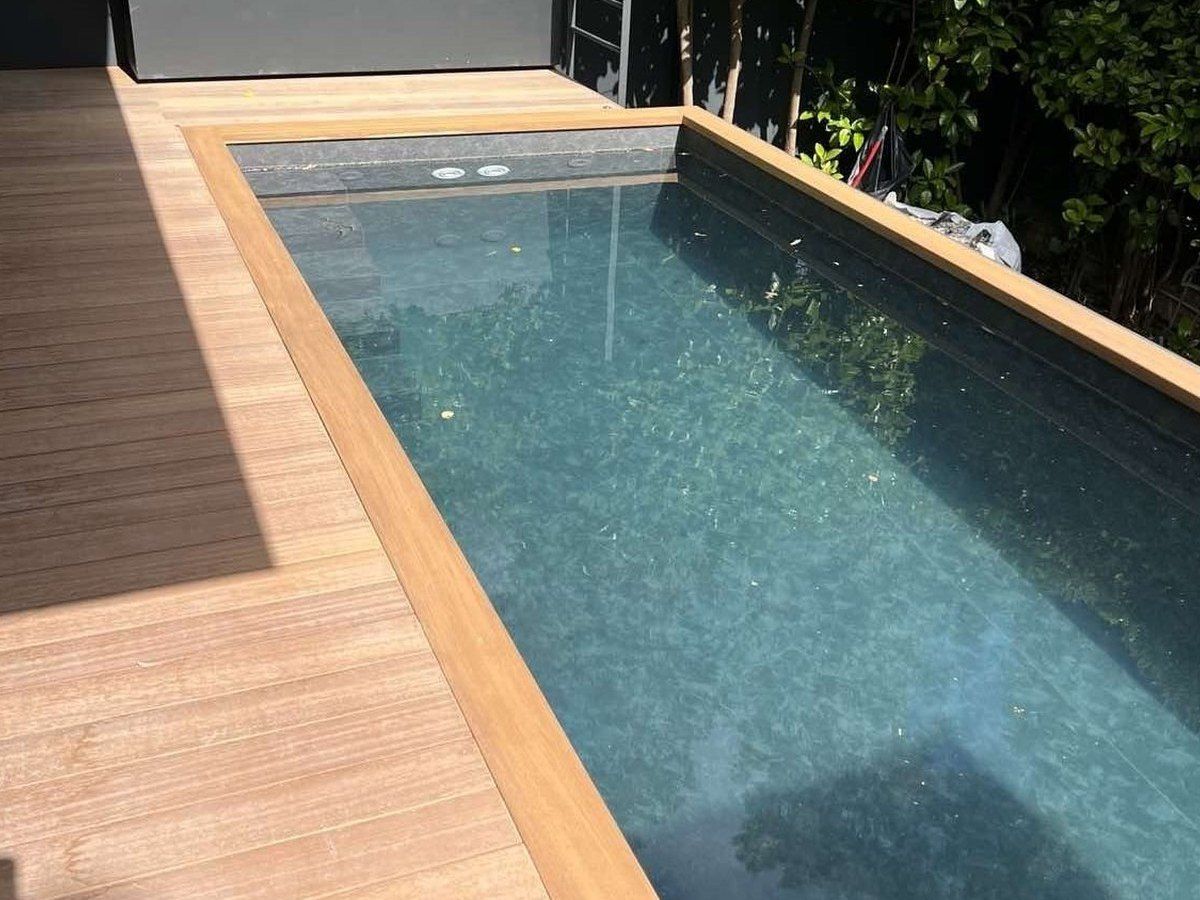
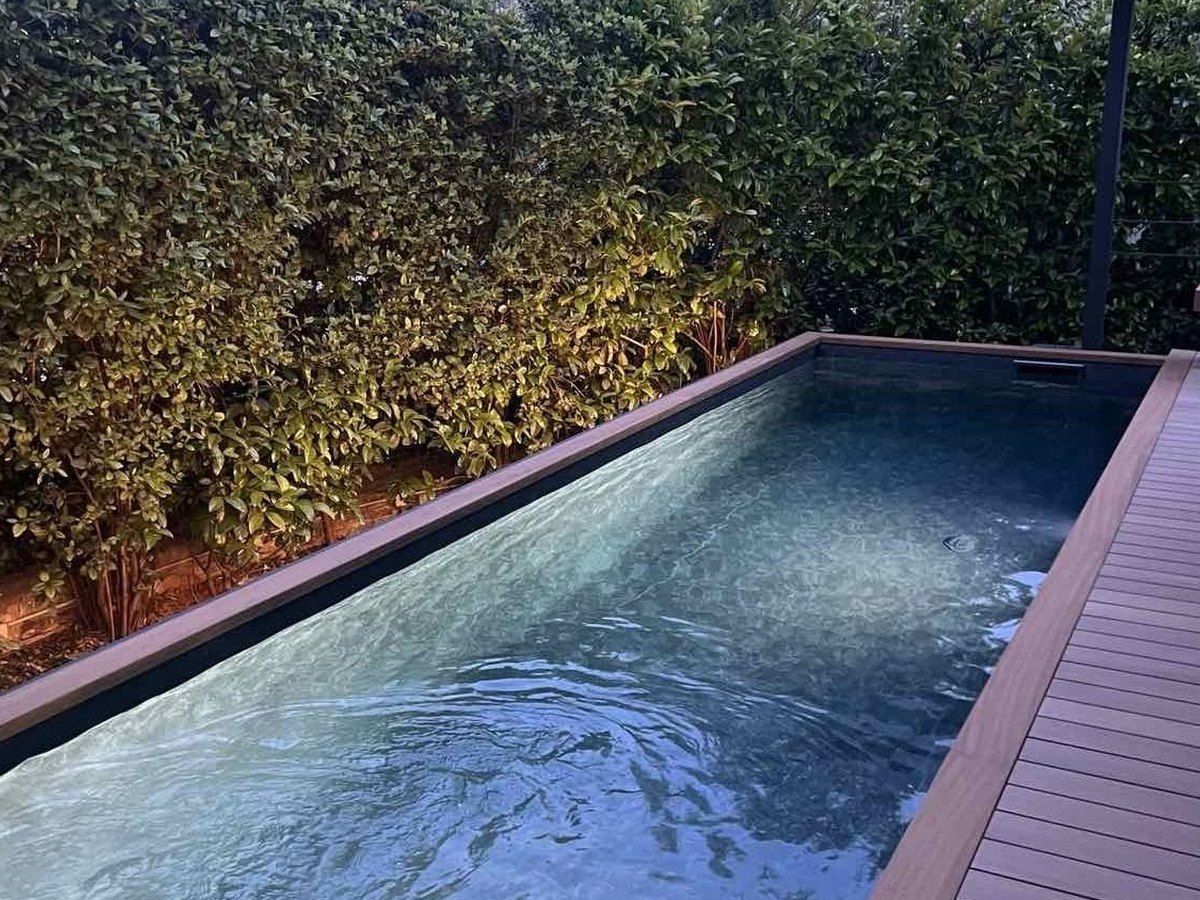
A dark membrane absorbs more sunlight and warms the water slightly on its own. It does not replace heating, but it helps. See the options for the Haogenplast membrane.